Join the SafiyaScripts Community 💌
To share your thoughts and post a comment, please subscribe to our newsletter. Subscribers receive inspiring reflections, new article updates, and community highlights.
Subscribe to SafiyaScripts NewsletterWhen Suspicion Becomes a Death Sentence
By safiyascripts | Jul 29, 2026
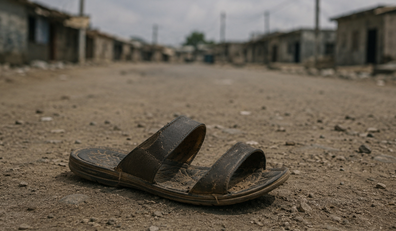
A mobile phone can be replaced. A human life cannot.
A promising young man, Ibrahim Mbaya, lost his life to a brutal mob over an allegation of phone theft. Before the facts could be established, before the law could take its course and before truth had a chance to speak, violence delivered its own irreversible verdict. Reports later indicated that he had not stolen the phone after all. By then, however, the truth had arrived too late. It stood helpless as the lifeless body of the young man, whose only crime was being accused, lay cold in the mortuary.
His death should trouble every one of us.
Mob justice is one of the greatest contradictions of a civilized society. It thrives where anger replaces reason, where rumours are treated as evidence and where crowds believe they possess the authority to decide who decides to live or die. In those frightening moments, individual conscience is swallowed up by collective rage. People who might never harm another person on their own suddenly become participants in unimaginable cruelty.
What makes it particularly troubling is the fact that no one is beyond suspicion. Today, it is Ibrahim. Tomorrow, it could be someone else – a neighbour, friend, colleagues or members of our own family. False accusations have existed throughout history. That is precisely why every just society establishes courts, investigations and due process. These institutions exist not merely to punish the guilty but also to protect the innocent.
Beyond the loss of one young life lies another painful reality. Every act of mob violence leaves lasting scars on families, communities and even those who participated in it. Parents bury children they expected to outlive them. Siblings carry unanswered questions. Friends struggle with grief. Communities become known not for compassion but for cruelty. The damage extends far beyond a single day of violence.
We must therefore ask ourselves difficult questions. What kind of society are we becoming if suspicion is enough to justify killing? What values are we teaching our young people when they participate or witness crowds celebrating violence instead of protecting life? How many innocent people must die before we learn that injustice cannot exist without truth?
Silence is not acceptable at this time. We must reject mob justice wherever it appears. We must teach our children the value of human life, encourage respect for the rule of law and refuse to spread unverified accusations. Every life bears the image of God and deserves the protection that image demands.
Ibrahim’s life cannot be restored. His family cannot be given back the son they lost. But perhaps his death can awaken our conscience. Perhaps it can remind us that civilization is measured not by how quickly we punish the accused but by how carefully we protect the innocent.
May we become a people who choose truth over rumours, justice over revenge and compassion over violence. Only then can we hope to build communities where every person is safe from the deadly consequences of suspicion.
This article was inspired by the tragic death of Ibrahim Mbaya and is dedicated to all innocent victims of mob justice. May their memories strengthen our resolve to uphold the truth, justice and the sanctity of human life.
What are your thoughts? Have you witnessed or been affected by mob justice or false accusations? How can our communities better protect innocent lives while ensuring justice is served? I invite you to share your reflections in the comments. Your voice may inspire someone to choose wisdom over violence.
🎧 Listen to This Article
New here? You must subscribe before posting a comment.
Comments
No comments yet. Be the first to comment!